

 Hungarian
 Roman

Vigadó Culture House
Kezdi chair Kézdivásárhely Piata Gabor Aron nr. 21, Targu - Secuiesc, jud. Covasna
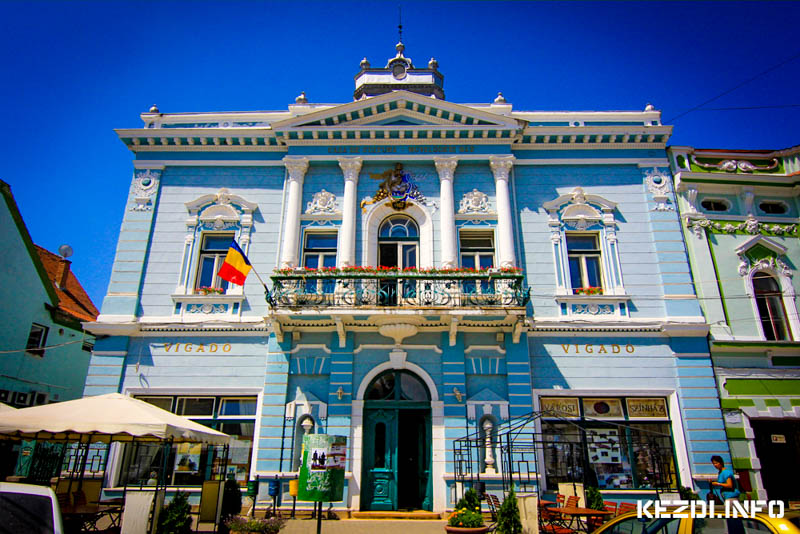
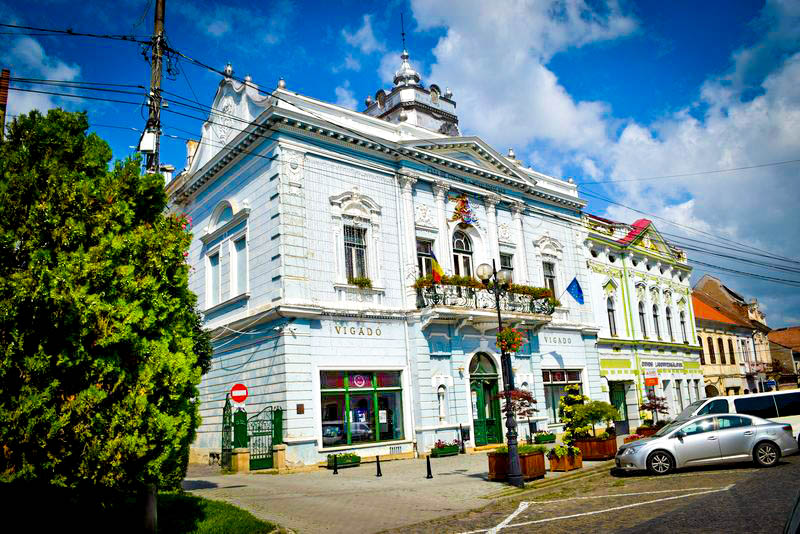
It was built between 1902 and 1904 on the Cserey plot, in the northwest corner of today's Gábor Áron tér, on the site of the former "Vendéglő-fogádó", in the style that historicizes today's Vigadó.
As we can read in a newspaper article from 1894, the city management plans to build a two-story building: "A two-story building should be built on the market side of the Cserey lot, with a cafe on the ground floor, a restaurant with 20-25 guest rooms on the first floor, and a large hall with a permanent stage, right- with a row of boxes to the left and a gallery opposite. On the second floor there would be guest rooms and possibly apartments for rent. A fire watch tower would adorn the facade of the building." The construction of the second floor is delayed for unknown reasons.
On April 25, the demolition of the restaurant rented by the spouses Cserey and Dénes Jancsó will begin, in order to build Vigadó, which will serve as a restaurant, cafe, hotel, theater and ballroom.
In total, eight plans were received from three local master builders for bidding, and engineer Lajos Vajna was asked to evaluate them. Unfortunately, the application was unsuccessful as none of the plans proved to be acceptable. As the representative body absolutely wanted construction to begin on 24 April 1902, engineer Lajos Vajna drew up the plans based on his experience. Sándor Nagymihály, who was born in Szeged and works in Targu - Secuiesc, was asked to execute the construction.
The official handing over of the building took place in the general meeting of the representative body on February 20, 1904, together with the accounting expertise and expertise, the technical advisor Kálmán Incze, the Targu - Mures state architectural inspector, was asked to carry out all this during February 3 . and 6, 1904.
Fragment Annamária Dobolyi: Construction of the city of Vigadó /1902-1904/ c. from his writing
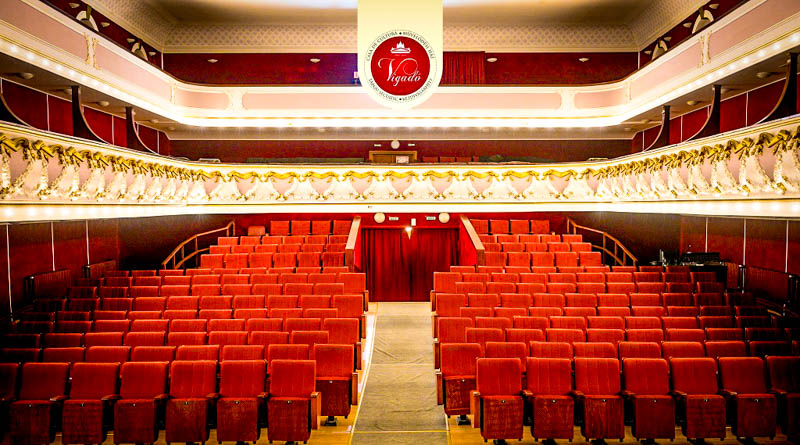
Vigadó, which today serves as the town's community center. It has a theater with 230 seats, a banquet hall for 70 people and a gallery.
In addition, the smaller halls and a rehearsal room offer versatile activities: theater circle, folk dance, children's choir and chamber orchestra, concerts, lectures, scientific lectures, book presentations, fine and folk art exhibitions, school events and contests.
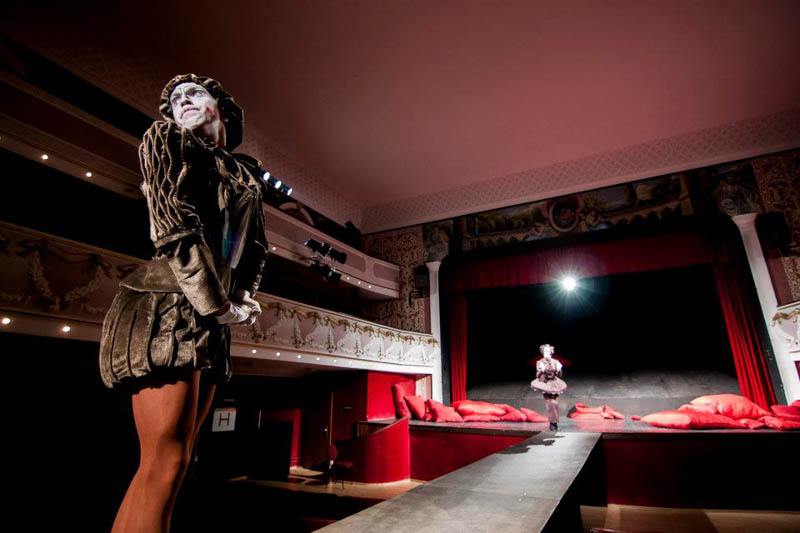
The Vigadó Cultural Center houses the Udvartér Theater (City Theater between 2009 and 2019). At the same time, it also provides a studio for the city's visual artists.