

 Hungarian
 Roman

Filia
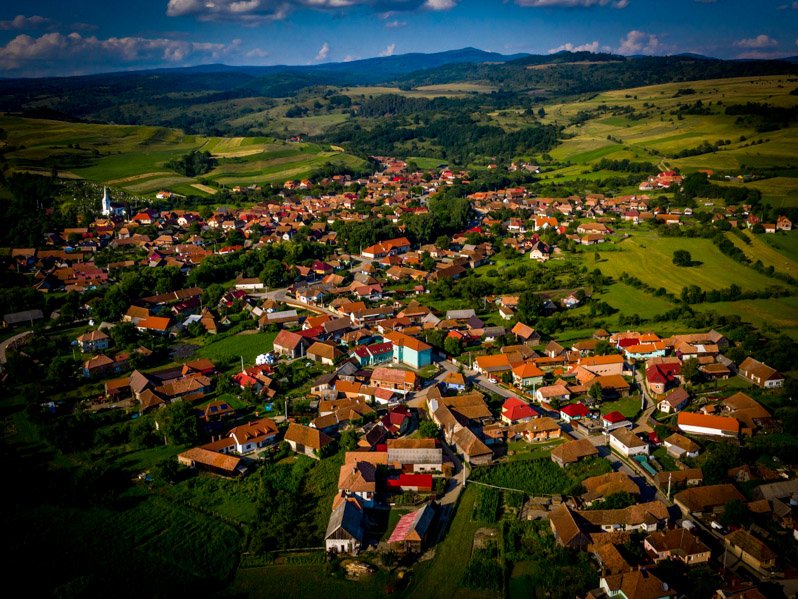
Timberland Filia Filia, Jud. Covasna
During the self-defense struggle of the Trinity, Áron Gábor experimented with his first cannons here and poured the first cannonballs here, to which the ears gave their bells.
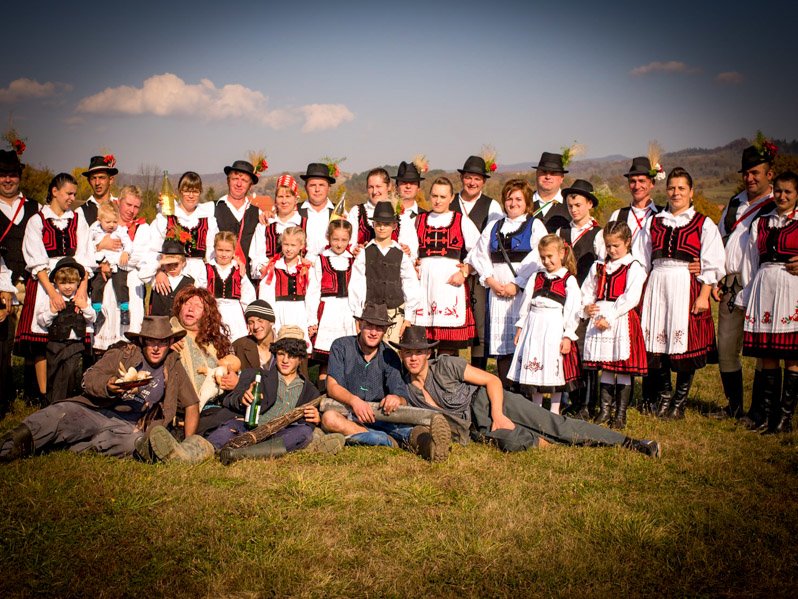
The inhabitants of Erdőfüle are called Ordans living in the neighboring settlements. This name comes from the fact that the people who live here keep many sheep and make large quantities of cheese and horde.
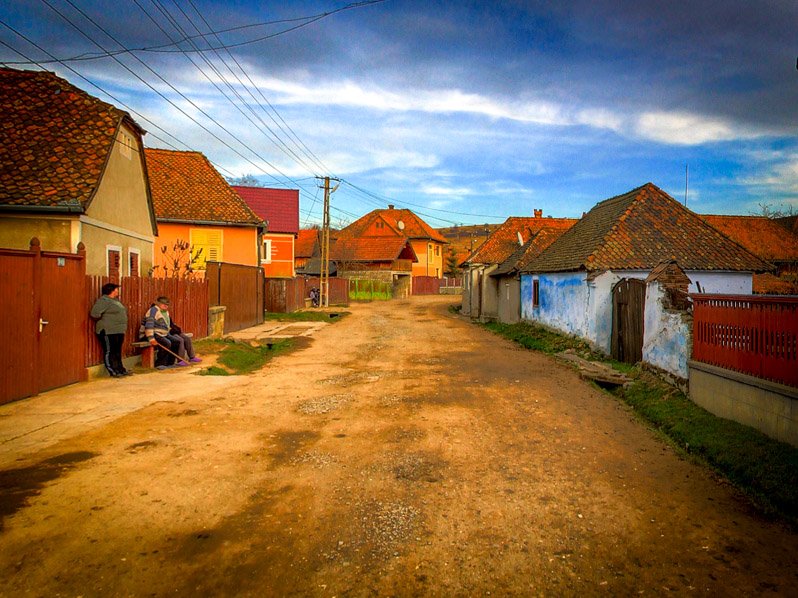
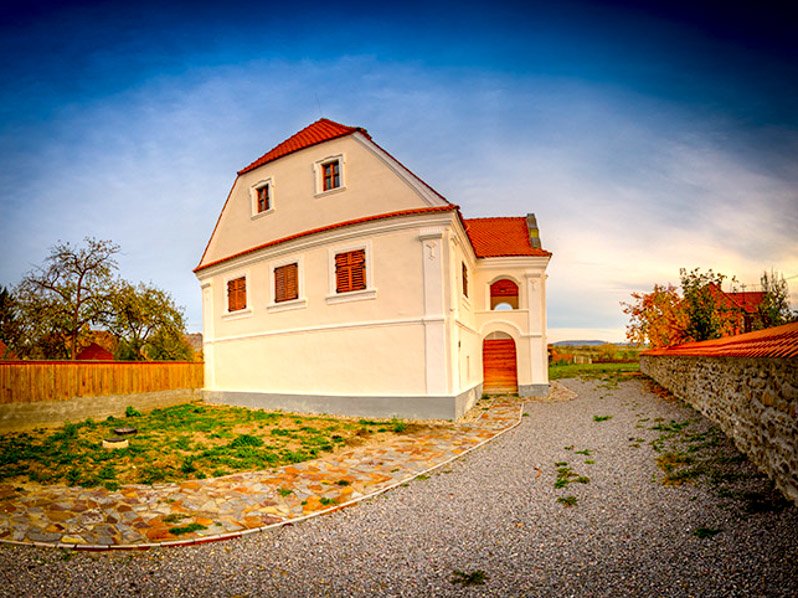
The authors of the Transylvanian guidebooks recommend the 17th-century Boda manor house in the central part of the village. This double-roofed, gabled and arcaded building is a characteristic creation of the folk renaissance empire rebuilt. Due to property disputes, the manor house was threatened with final destruction, but was recently bought and planned to be restored by the municipality.
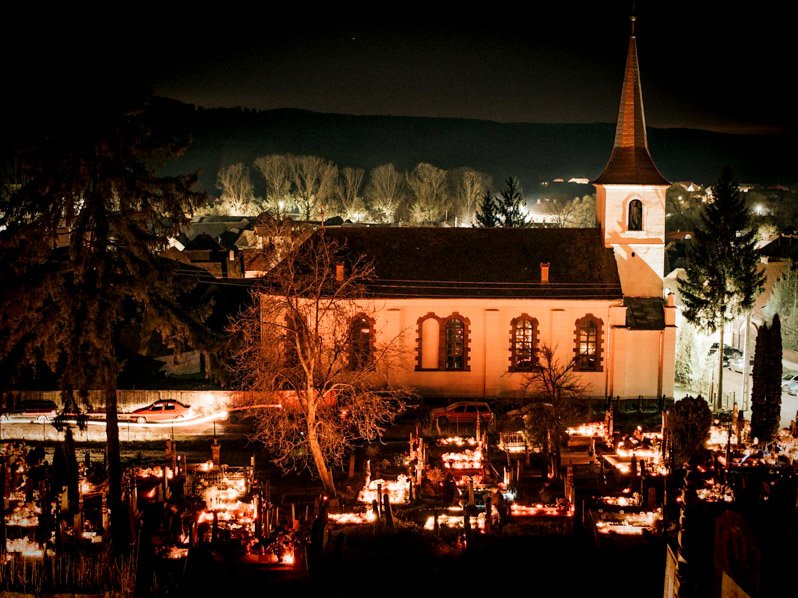
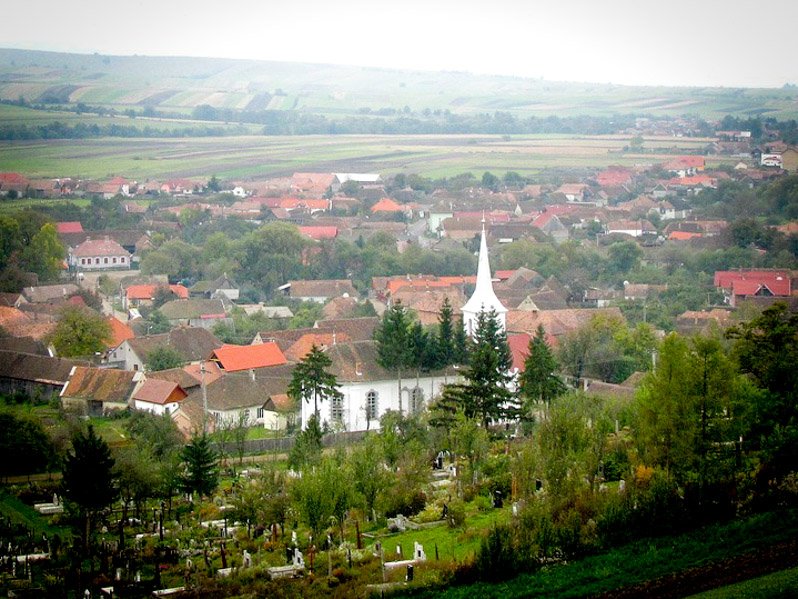
The medieval church of the village, which hid a mural depicting the legend of St. Ladislaus from the 14th century, was demolished in 1896, but thanks to the drawing teacher József Huszka from Sepsiszentgyörgy, a floor plan and a copy of his murals remain. Today's church was built in 1897-98.
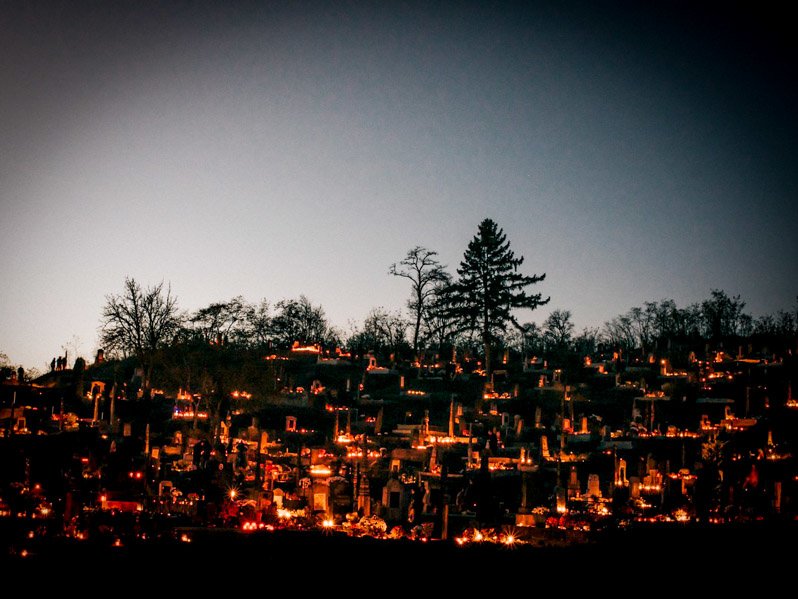
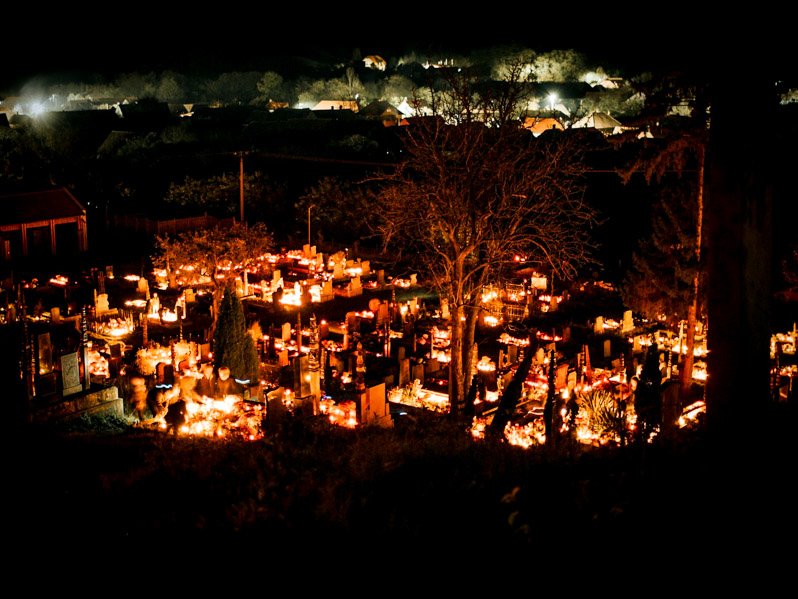
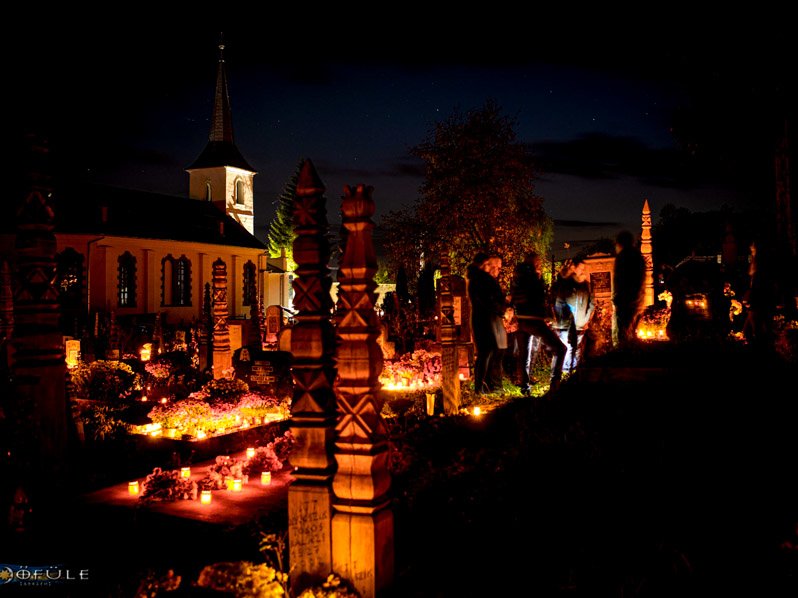
This village entered the ethnographic literature thanks to the carved headstones lined up in its cemetery and the peculiar beliefs of the people living here. In the cemetery, about 150 headstones still preserve motifs talking about the dead.
On the border of Füle is the only starfish site in the region, the protected Kankóskert.
A few kilometers northwest of the inner city is the settlement called Dobó, which was destroyed in the Middle Ages. Archaeological research began here. So far, the ruins of the old parish church have been excavated.